Crayfish Comeback Project
A good news wildlife story!
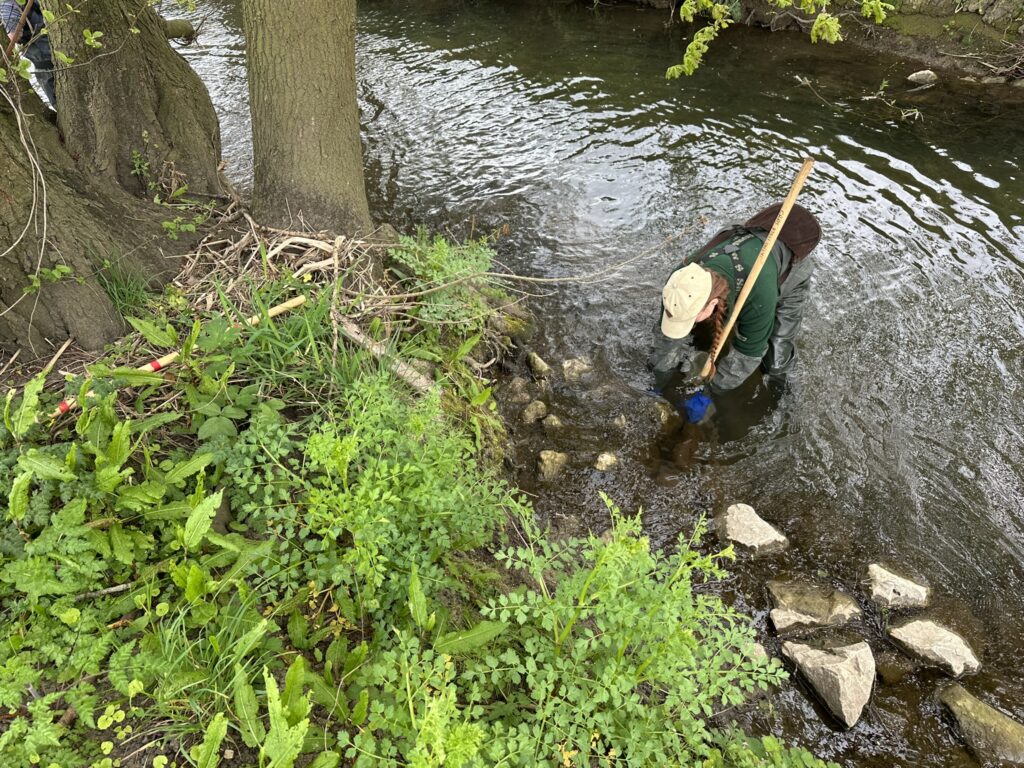
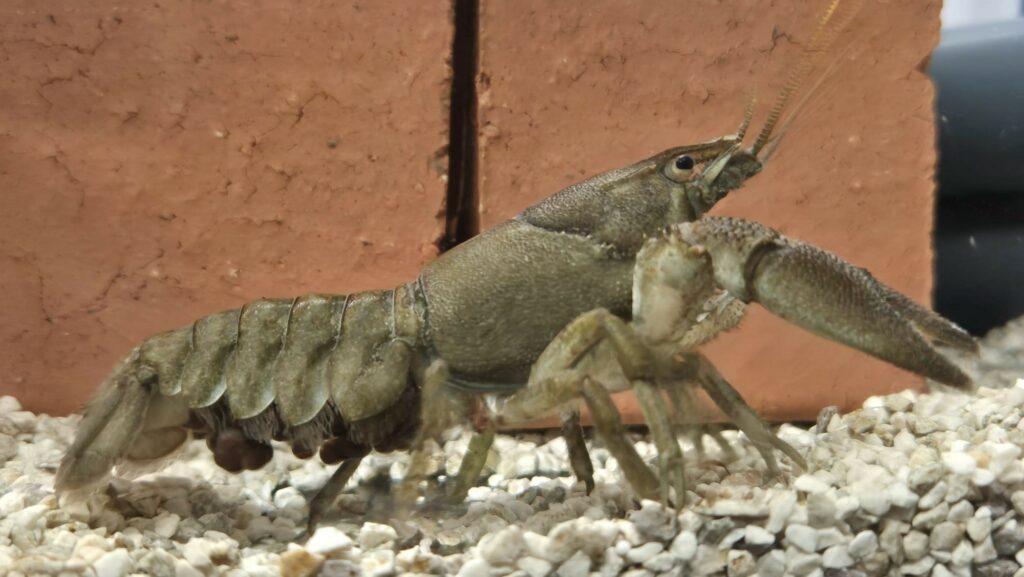
Once common in the UK, white-clawed crayfish (Austropotamobius pallipes) are now an endangered and rare species due to the presence of invasive crayfish, in particular American signal crayfish (Pacifastacus leniusculus), and the spread of a crayfish plague. So before our native crayfish disappear, we are taking action.
White-clawed crayfish are our largest freshwater aquatic invertebrates. They are our good water quality guides, as they can only thrive in clean and well oxygenated freshwater, and are sensitive to pollutants and degraded habitat conditions. We are lucky to still have some small populations in Kent. However, their future is not assured.
For many years, the Kentish Stour Countryside Partnership have been working with and supported by the Environment Agency and River Stour Internal Drainage Board, plus many other organisations and individuals. We have been monitoring existing populations and enhancing their habitat where possible to help them survive and thrive here in Kent. At the same time Wingham Wildlife Park have been working with Jen Nightingale and Bristol Zoological Society to raise their white-clawed crayfish for release back in the West Country, helping their remaining populations.
Now we are really excited to join forces and take the next step on THE CRAYFISH COMEBACK PROJECT journey. Wingham Wildlife Park is now raising locally sourced white-clawed crayfish for breeding and eventual release into at least 2 ark sites in Kent, more in the future.
Ark sites are natural freshwater sites, where the habitat conditions have been surveyed and tested by qualified and licensed Kentish Stour Countryside Partnership officers, to ensure that they can support white-clawed crayfish with minimum external risks. Importantly, landowners have given their permission and support for the project.
The whereabouts of existing populations and ark sites will not be published in order to protect them. However, you can see and learn more about white-clawed crayfish at a special display in Wingham Wildlife Park. (Please visit their website for more information)
Importantly, THE CRAYFISH COMEBACK PROJECT also wants to celebrate our native crayfish. Now, more than ever the small and less obvious wildlife wonders of our ecosystem need our attention. They form the foundation of our natural world, and we can all do our bit to ensure they survive and thrive.
Since its release in the UK in the 1970s, American signal crayfish have spread rapidly. A larger, voracious species, it has destroyed most of our native populations through competition, predation and carrying a crayfish plague which they can survive, but can quickly wipe out a colony of white-clawed crayfish. Signals also harm our waterways by consuming large amounts of the aquatic invertebrates, which leaves less food for other species. Plus, it burrows extensively in the banks, causing erosion and collapse.
Scientists are looking for ways to stop the spread of invasive crayfish and the crayfish plague, but to date there is no method that we know works. Meanwhile, catching signal crayfish to eat is NOT an option. It might seem like a good idea, but in fact it is likely to make the situation worse. It won’t reduce the population and people could inadvertently spread crayfish plague into sensitive areas, as it can survive in damp mud on boots and equipment. That is why only licensed individuals should handle any crayfish, and all visitor and water users should follow the Check, Clean and Dry protocol. It will help prevent the spread of crayfish plague and all sorts of harmful waterborne diseases. We can all do our bit!
Click here to see a video overview of the project.