Tackling Parrot’s Feather at North Chislet Marshes
LOCATION
North Chislet Marshes
DATE
2017 to present
WHAT WE DID
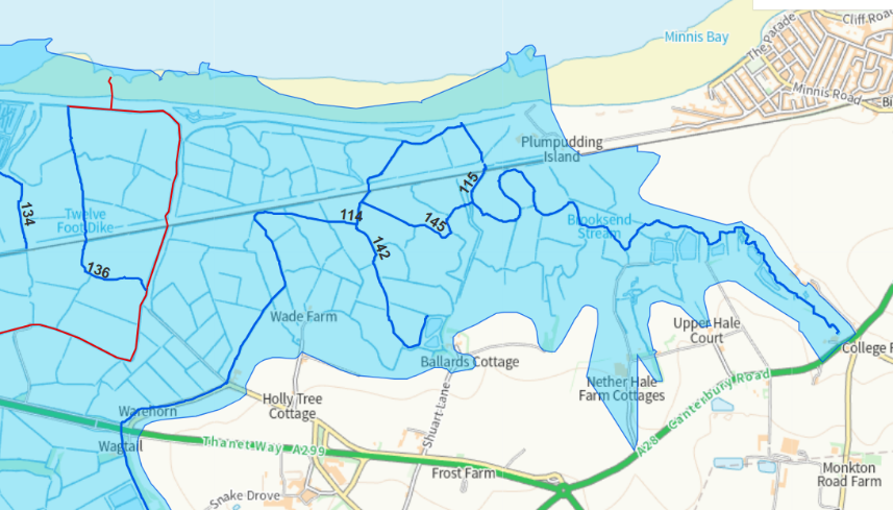
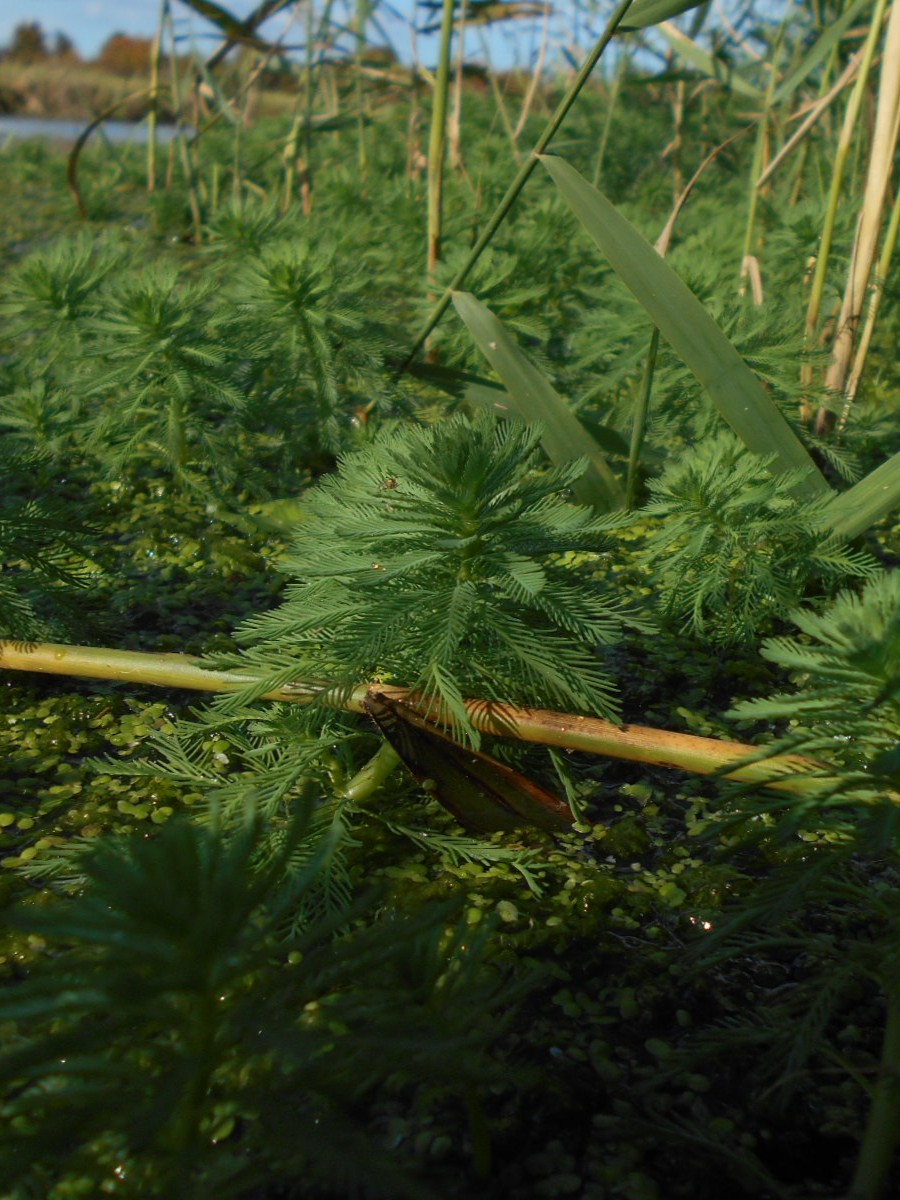
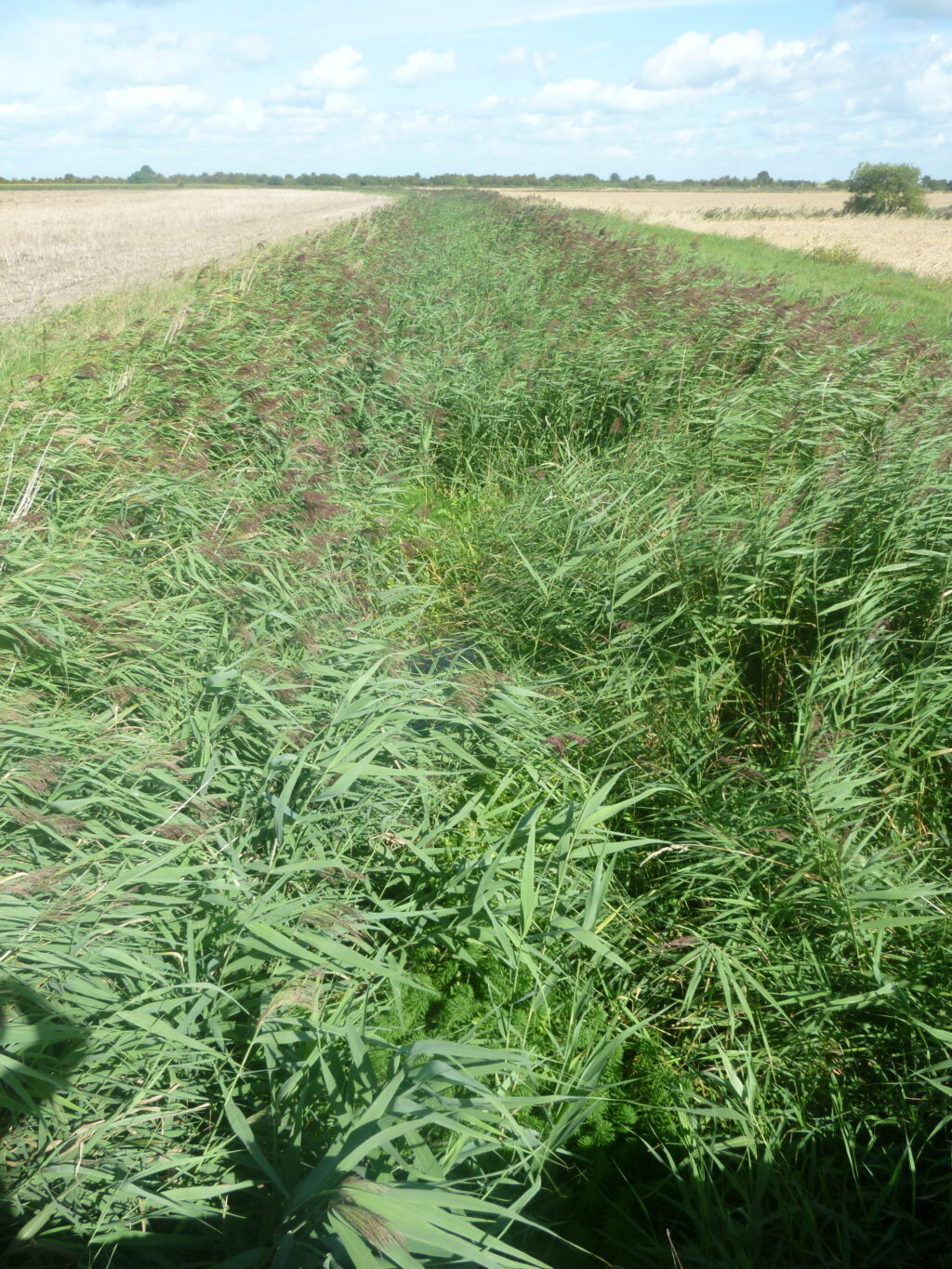
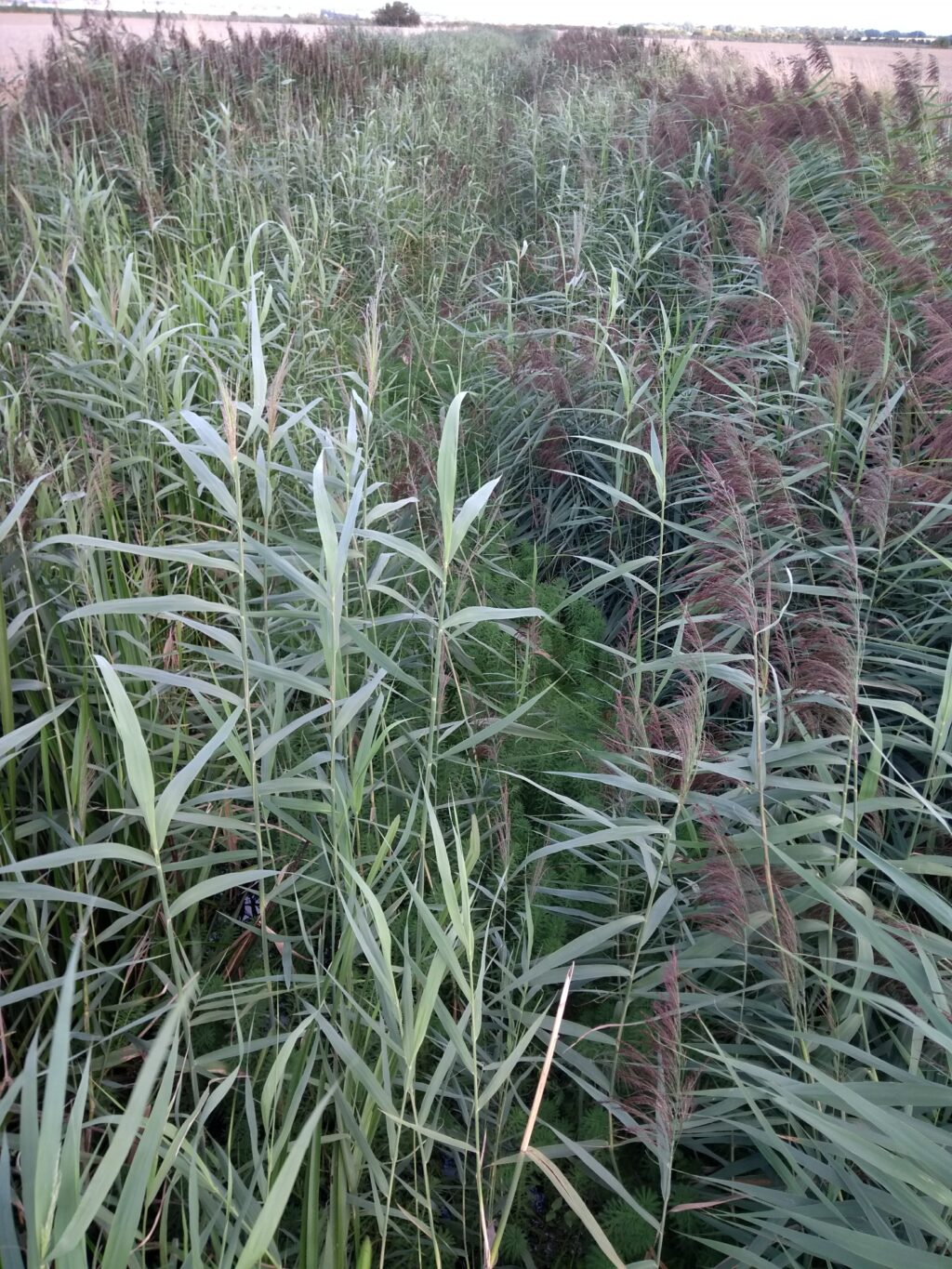
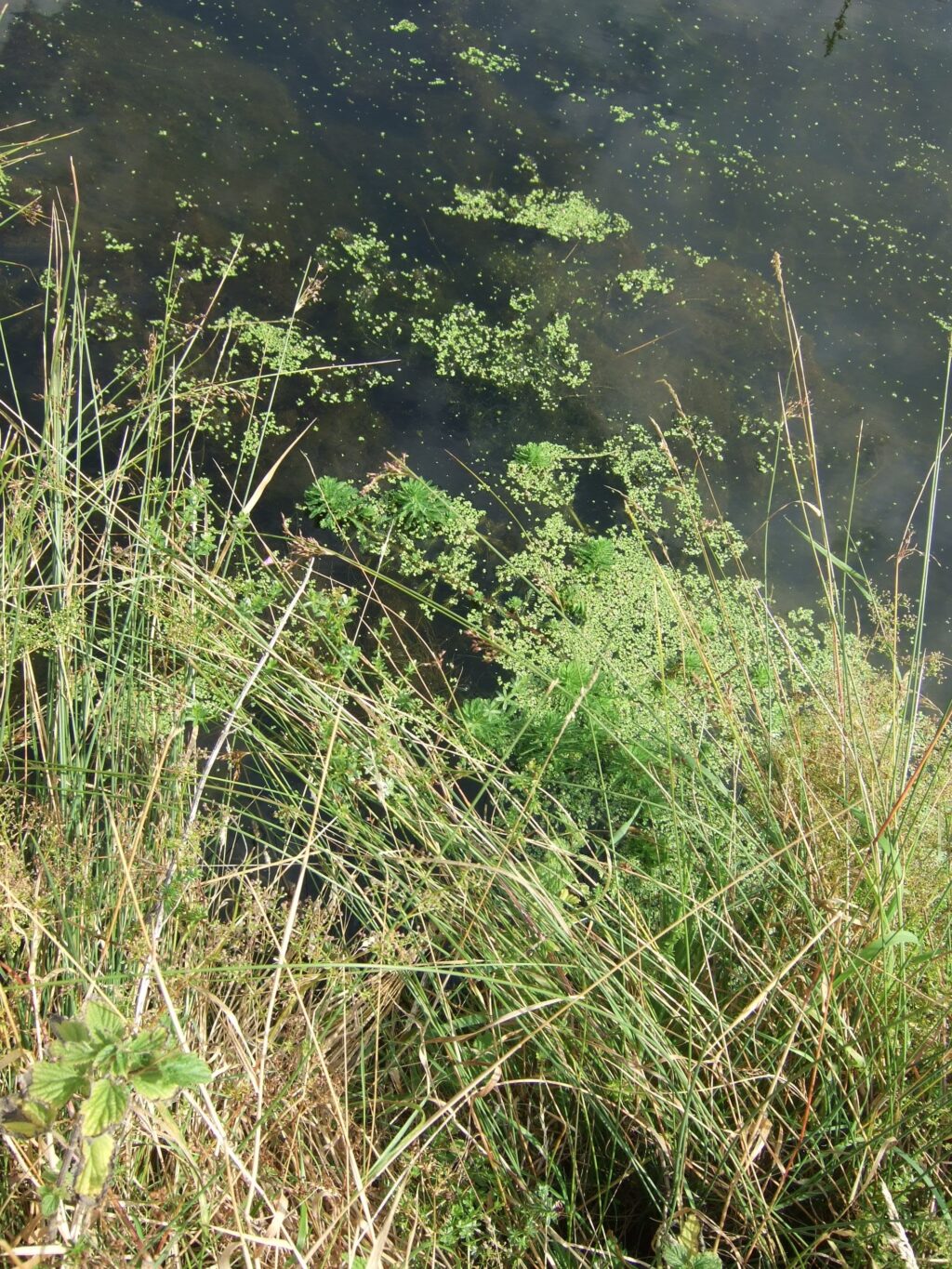
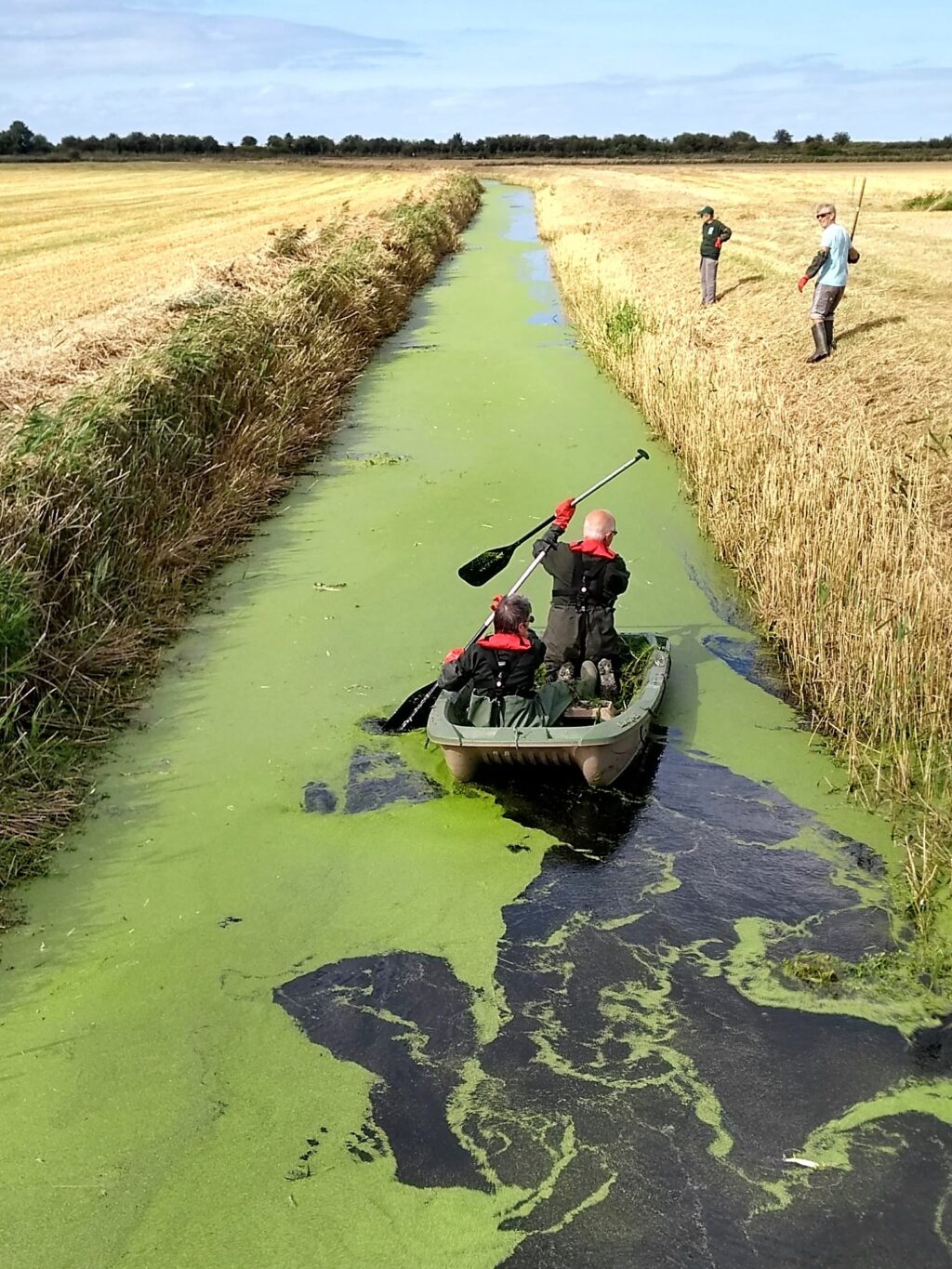
North Chislet Marshes lies between Reculver and Birchington in North‑East Kent and is made up of an extensive network of dykes and drainage channels that support wildlife and water management. In 2017, a survey found that several of these watercourses were infested with Parrot’s Feather (Myriophyllum aquaticum), a highly invasive aquatic plant that thrives in slow flowing water. Parrot’s Feather can quickly spread and dominate channels, out competing native plants and causing problems for water management.
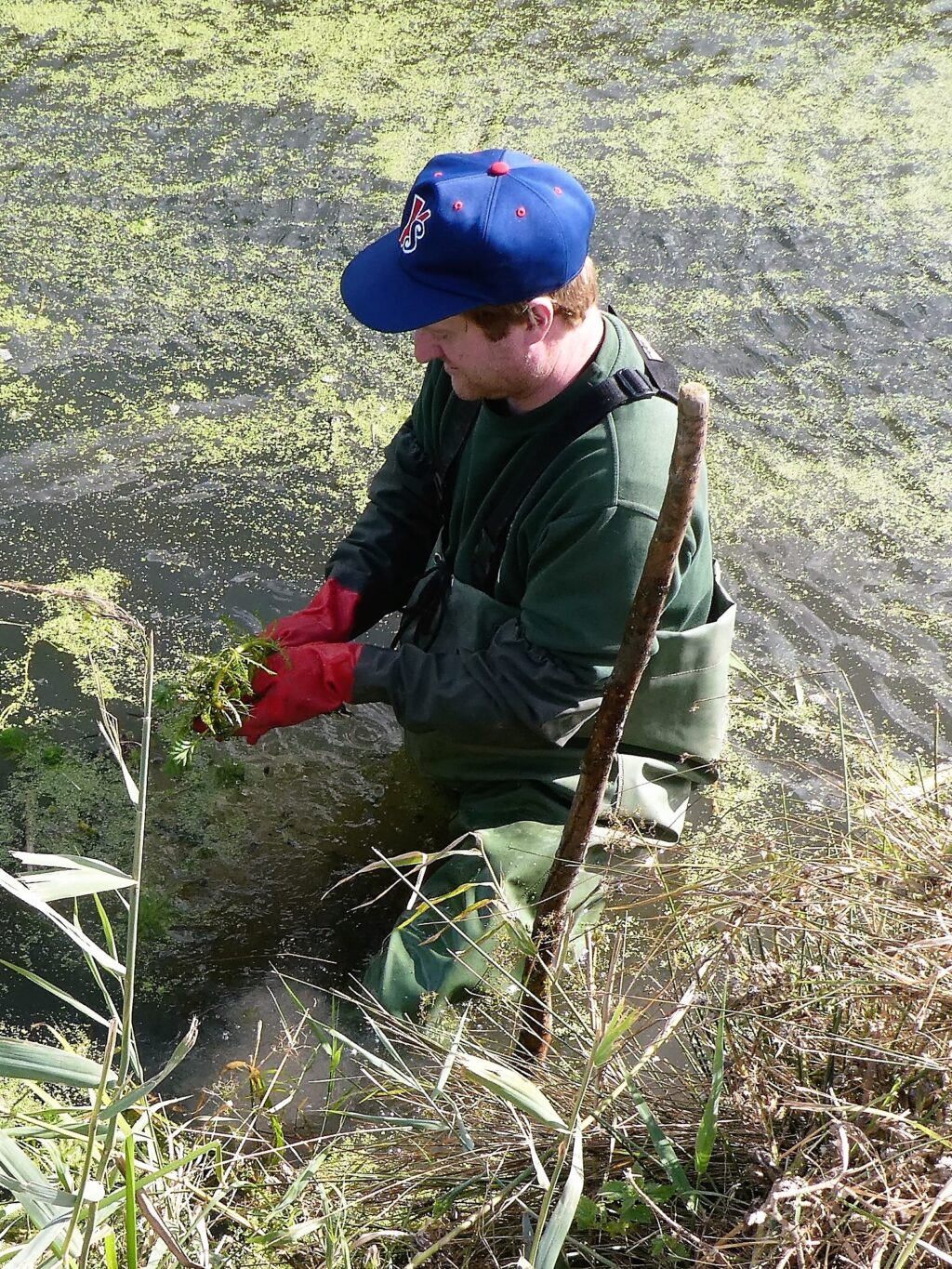
Work to remove the plant began the same year, combining mechanical weed cutting and volunteer hand removal. Most of the plant material was removed using excavators during routine channel maintenance, with additional manual work led by Kentish Stour Countryside Partnership (KSCP).
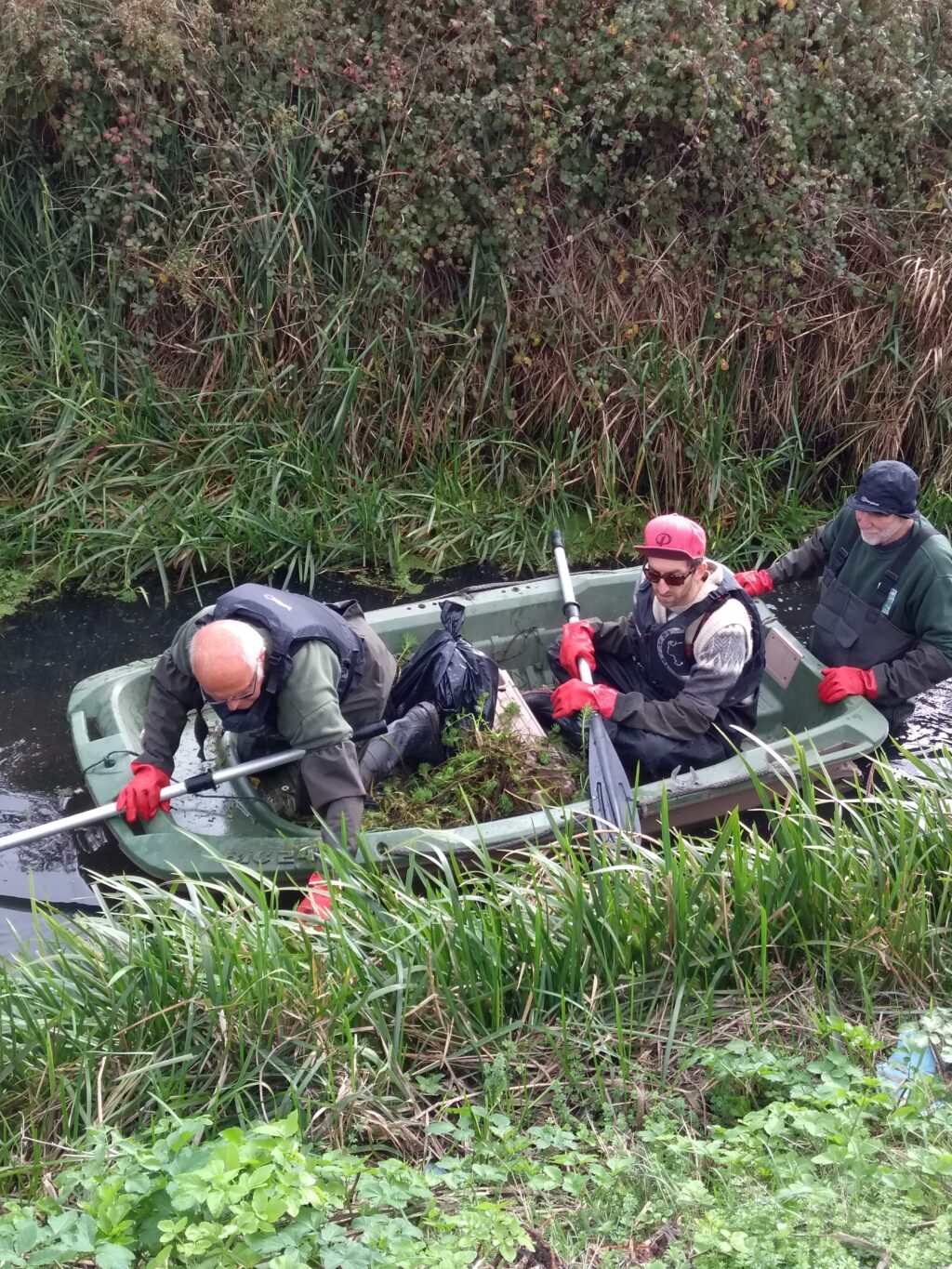
Early success was achieved in some sections, but Parrot’s Feather continued to re-establish. A review in 2020 identified that the plant was spreading from small fragments that were either missed or accidentally dropped by machinery during weed cutting. In response, the team refined their approach. Small changes to the weed cutting method by contractors helped reduce the number of fragments left in the channel. Early spring surveys were introduced and volunteer removal work increased to twice a year. Improved techniques, including working from boats, better coordination between teams, and more frequent offloading of removed material, helped prevent the plant from spreading further. Work also focused on larger stands further downstream, identified as a likely source of reinfestation.
By 2023, surveys showed that around 70 per cent of surveyed channels were clear of Parrot’s Feather, with remaining growth limited to a small section of Wademarsh Stream. This marked the final year of removal work. Follow up surveys have confirmed the plant has been completely eradicated from the site.
BENEFITS
Relieving the waterways of dense mats of invasive vegetation, reintroduced light into the water column, reversing the impacts of eutrophication and opened space for native species to thrive. Parrot’s Feather if left unmanaged can increase flood risk and disguise the dangers of deep water from unsuspecting children and animals.
PARTNERSHIP
This success was made possible through strong collaboration between KSCP, the Internal Drainage Board, and contractors, along with the dedication of volunteers. This project demonstrates how persistence, communication and good biosecurity, can deliver lasting improvements to waterways.